
Posts by 2trueinteractive
Scum on Water: What It Means and How to Treat It
You step onto the lanai in Cape Coral and notice a slick layer stretched across the pool. Later, a glass from the kitchen tap shows a faint sheen that wasn't there yesterday. It's easy to call both problems “scum on water” and reach for a net, chlorine, or a household filter. That's the wrong starting…
Read MoreMicron Filter Chart and Whole House RO Guide
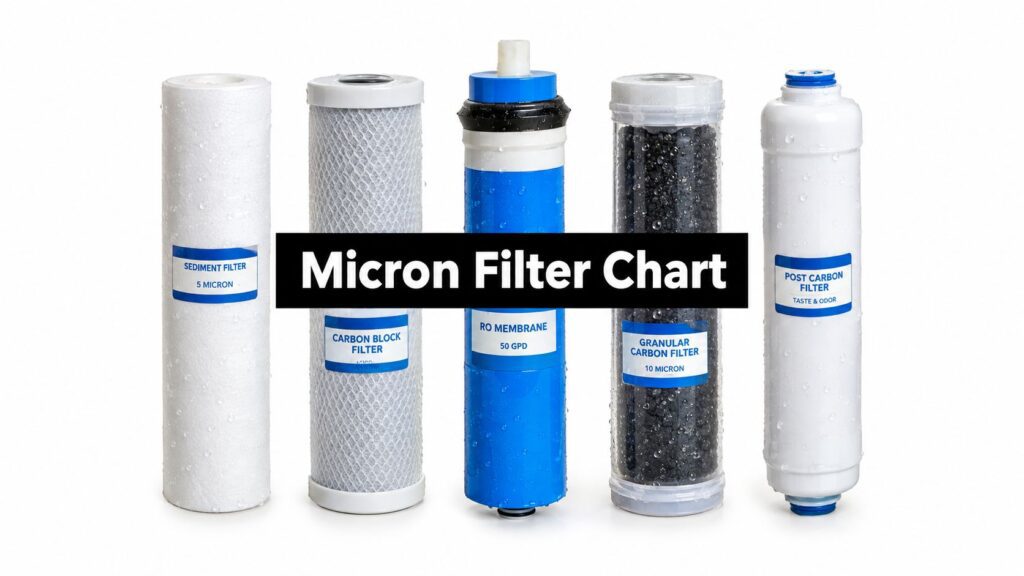
The most common advice about a micron filter chart is also the most misleading: choose the smallest number available and assume your water problems are solved. That approach confuses suspended particles with dissolved contaminants. A fine cartridge can capture sediment, but it can't remove dissolved salts, nitrate, arsenic, or many metals, because those substances are…
Read More10 X 20 Pool Guide for Southwest Florida Owners

A 10 x 20 pool is a 200-square-foot rectangle holding approximately 6,000 to 6,750 gallons of water, making it a highly efficient but locally demanding small residential option. In Cape Coral, that compact footprint doesn't eliminate maintenance work, because intense sun, tropical debris, rain, and heavy use can change the water quickly. The most popular…
Read MorePink Slime in Shower: Safe Removal & Prevention Guide
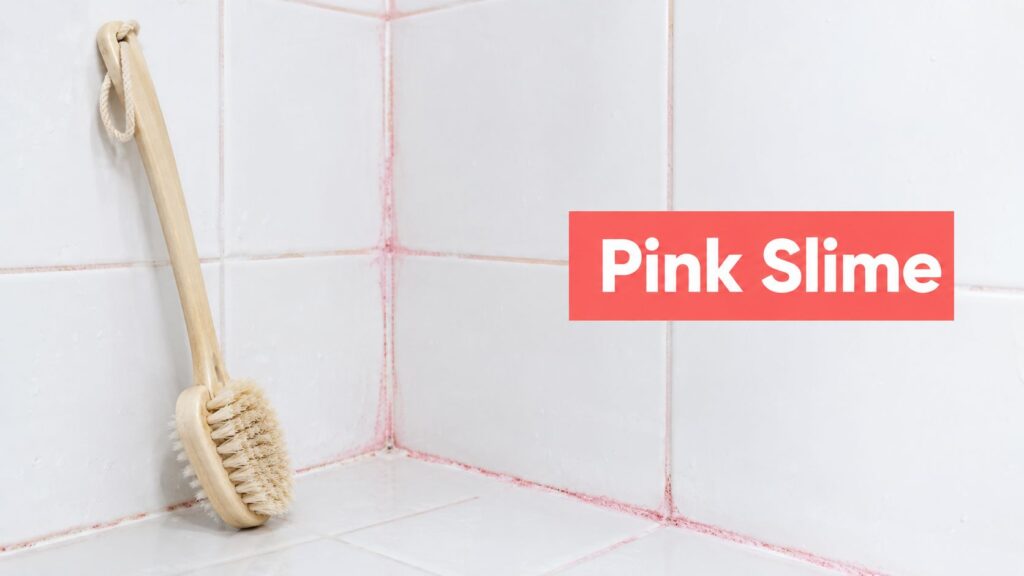
You finish a shower in a Cape Coral home, reach for the faucet, and notice a pink-orange film along the grout and around the drain. It feels slimy, looks unpleasant, and often returns soon after cleaning. Most homeowners call it pink mold, but pink slime in a shower is usually a bacterial biofilm, not mold.…
Read MoreInstalling RO System: A Whole House Guide for 2026
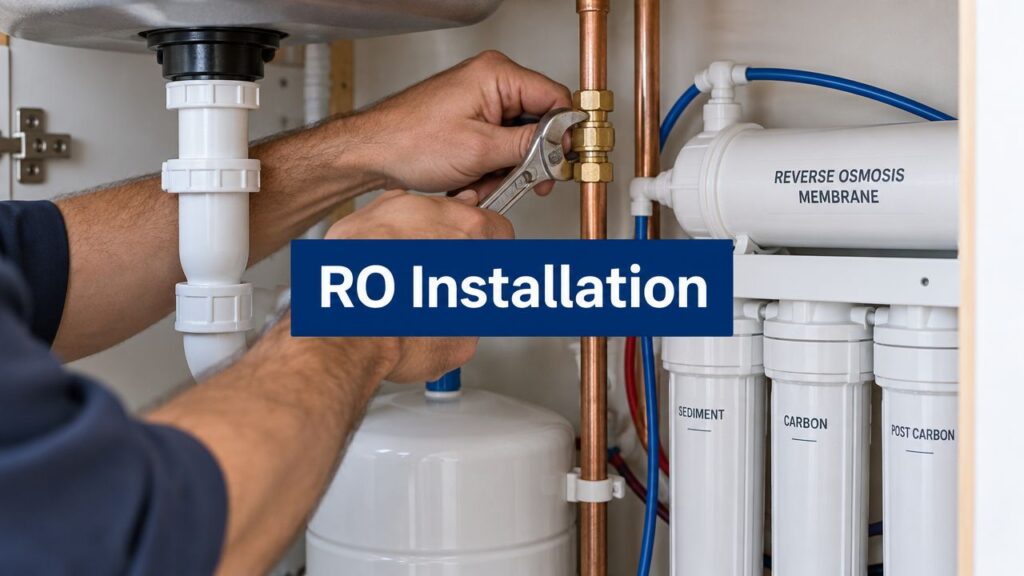
You've got a whole-house reverse osmosis unit in the garage, a private well feeding the home, and a weekend picked out for installation. The temptation is to start cutting into the supply line immediately. On Southwest Florida wells, that's usually the wrong first move. Installing an RO system successfully starts with water testing, pressure verification,…
Read MoreCalculating Total Dissolved Solids
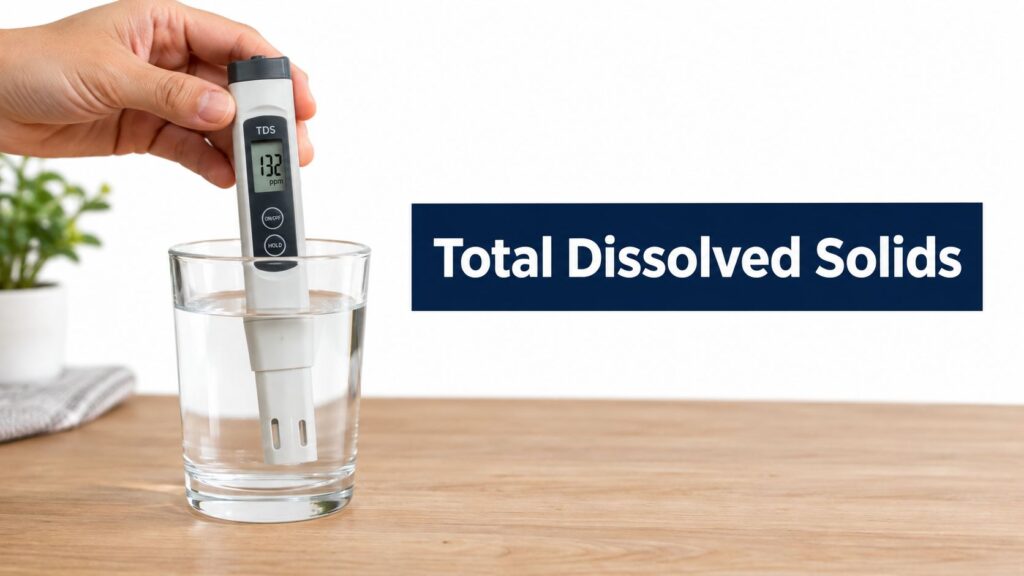
You turn on the kitchen faucet in Cape Coral and the water looks perfectly clear. Then the coffee tastes slightly salty, the shower leaves your skin tight, or the pool test shows a number that doesn't fit the rest of your readings. On a private well, appearances don't tell you enough. Calculating total dissolved solids,…
Read MoreRO Membrane Life Expectancy for Whole House Systems
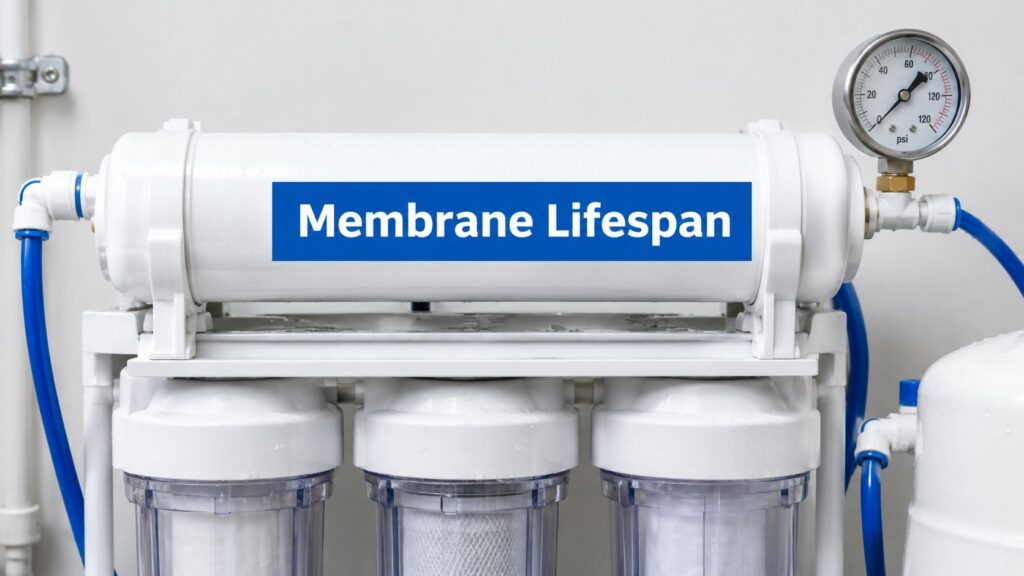
Whole house RO membranes typically last 2 to 5 years, and some well-maintained systems last longer. In Southwest Florida, though, your actual membrane life depends more on well water conditions and pretreatment quality than on the calendar hanging in your garage. If you're on a private well in Cape Coral or Lee County, you've probably…
Read MorePool Evaporation Rate: What Every Owner Should Know
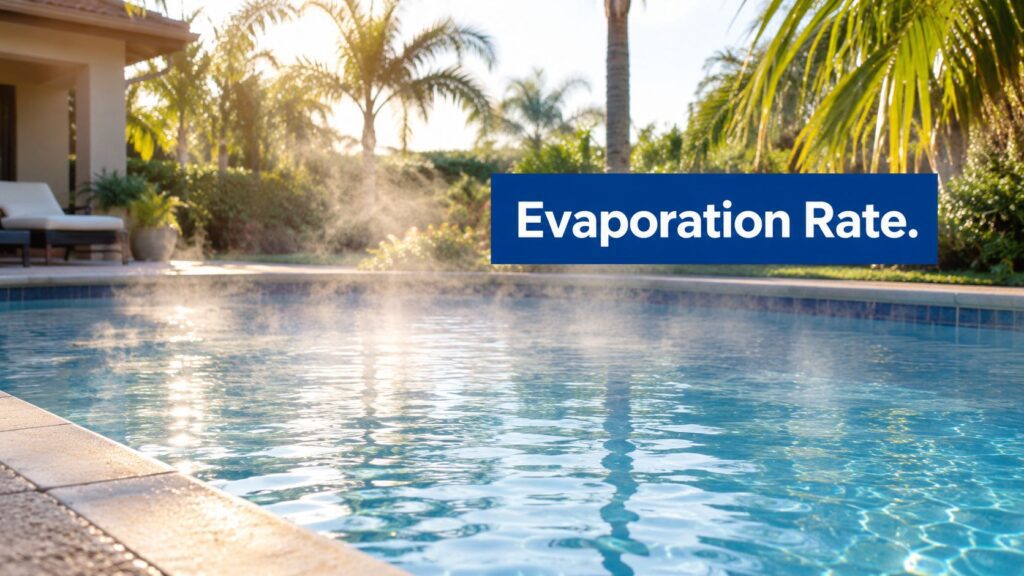
A typical Cape Coral pool can lose roughly 1,000 to 2,000 gallons of water per month through evaporation alone, depending on its size and exposure. That loss isn't automatically a sign of a leak. Wind, warm water, low humidity, pool use, and an uncovered surface can all pull water into the air faster than many…
Read MorePool Scaling Treatment: A Practical Guide for SW Florida

You step onto the lanai, run your hand across the waterline tile, and feel a rough white crust that wasn't there a few months ago. The pool may still look inviting from a distance, but a faint haze, chalky ring, or gritty spa spillover tells a different story. In Southwest Florida, pool scaling treatment works…
Read MoreRusty Water from Tap Causes Fixes and Treatment

You turn on the kitchen faucet before coffee and see orange water swirl into the sink. It leaves a metallic taste, stains the basin, and raises the question every homeowner asks first: Is rusty water from the tap safe to use? The color is a clue, not a complete diagnosis. Rust-colored water may reflect iron…
Read More