Certified Pool Inspector: Essential Checks for SW Florida
You found a Southwest Florida home that checks every box. Good neighborhood. Strong curb appeal. Screened lanai. Blue water in the pool and maybe a spa beside it. In Cape Coral, Fort Myers, and Naples, that pool doesn't feel like an extra. It feels like part of the property's value.
That's exactly why buyers get into trouble with it.
A pool can look clean and still have safety, equipment, or compliance issues that matter during a sale. Real estate agents see it all the time. A showing goes well, inspections start, and then the pool becomes the part of the property that slows negotiations, triggers repair requests, or raises liability questions no one expected. A proper certified pool inspector helps separate a normal used pool from a pool that carries real risk.
Your Dream Home in Florida Should Not Have a Nightmare Pool
A pool sells the Florida lifestyle fast. It also hides problems fast.
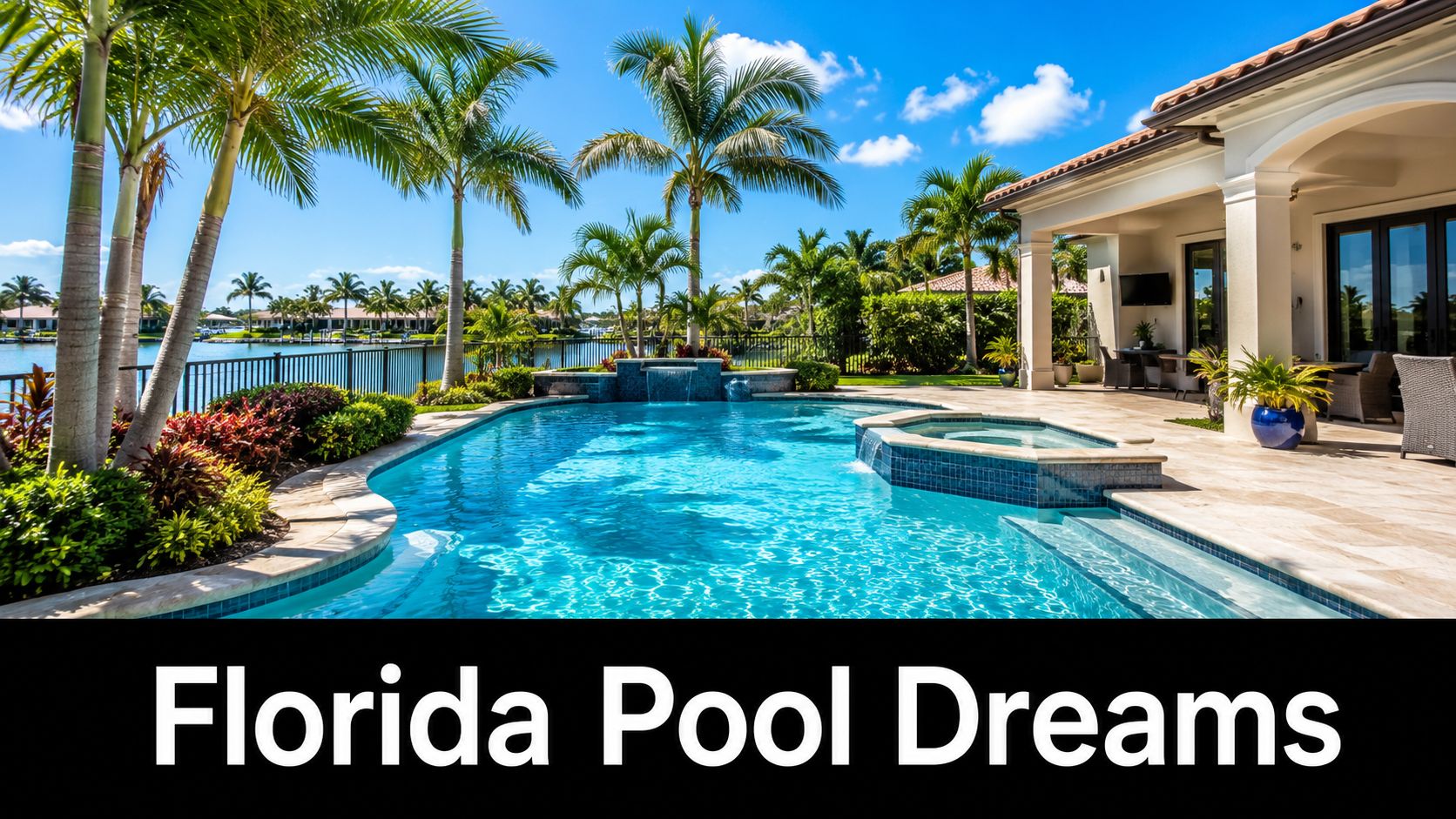
In Southwest Florida, buyers often walk into the backyard and mentally move in on the spot. They see kids swimming, guests around the lanai, and easy weekends by the water. What they usually don't see is whether the gate closes correctly, whether the drain protection is current, whether the equipment is operating as intended, or whether the shell and deck show signs of more serious wear than the listing photos suggest.
A pool doesn't have to be neglected to become expensive. It only has to be misunderstood. A system can be running, but still be unsafe. Water can be clear, but that doesn't mean the pool has been managed well. A nice-looking setup can still create a delay in underwriting, a repair credit fight, or a closing problem if the inspection raises questions late in the transaction.
Why this matters more in SW Florida sales
Pool ownership is common here, so people get casual about it. That's a mistake. In a home sale, the pool isn't just a backyard feature. It's part safety system, part mechanical system, and part long-term asset.
A buyer needs answers like these:
- Safety first: Are the barrier and gate details working the way they should?
- Function second: Is the equipment operating normally, or just operating enough to get through a showing?
- Reporting third: Will the inspection produce a clear record that helps a buyer, seller, and agent make decisions?
If you're evaluating a home with a pool, a Southwest Florida swimming pool service team can usually spot the difference between ordinary wear and a condition that deserves immediate attention.
A beautiful pool can still be the most uncertain part of the property if no one has evaluated it carefully.
That's why a pool inspection shouldn't be treated like an afterthought added at the end of due diligence. In this market, it often deserves its own lane.
What Does a Certified Pool Inspector Actually Do
“Certified” only matters if it changes how the inspection is done.
A certified pool inspector is expected to work from standards, observe systematically, and document findings in a way that holds up after the appointment is over. That's different from a casual pool walkaround where someone points at equipment, glances at water color, and says things look fine.
Certification changes the quality of the work
Training matters because inspection quality improves when the people responsible for aquatic oversight are trained and credentialed. In a swimming pool study published through Eastern Kentucky University, counties that required Certified Pool Operator staff had an average inspection score of 96.8%, compared with 94.6% in counties that did not. The same study found fewer critical items debited in CPO counties, averaging 0.21 versus 0.35 in non-CPO counties, which supports the idea that certification correlates with fewer serious deficiencies (Eastern Kentucky University pool inspection study).
That doesn't mean every certified person is equal. It does mean training and formal standards are tied to better outcomes.
What the inspector is really looking at
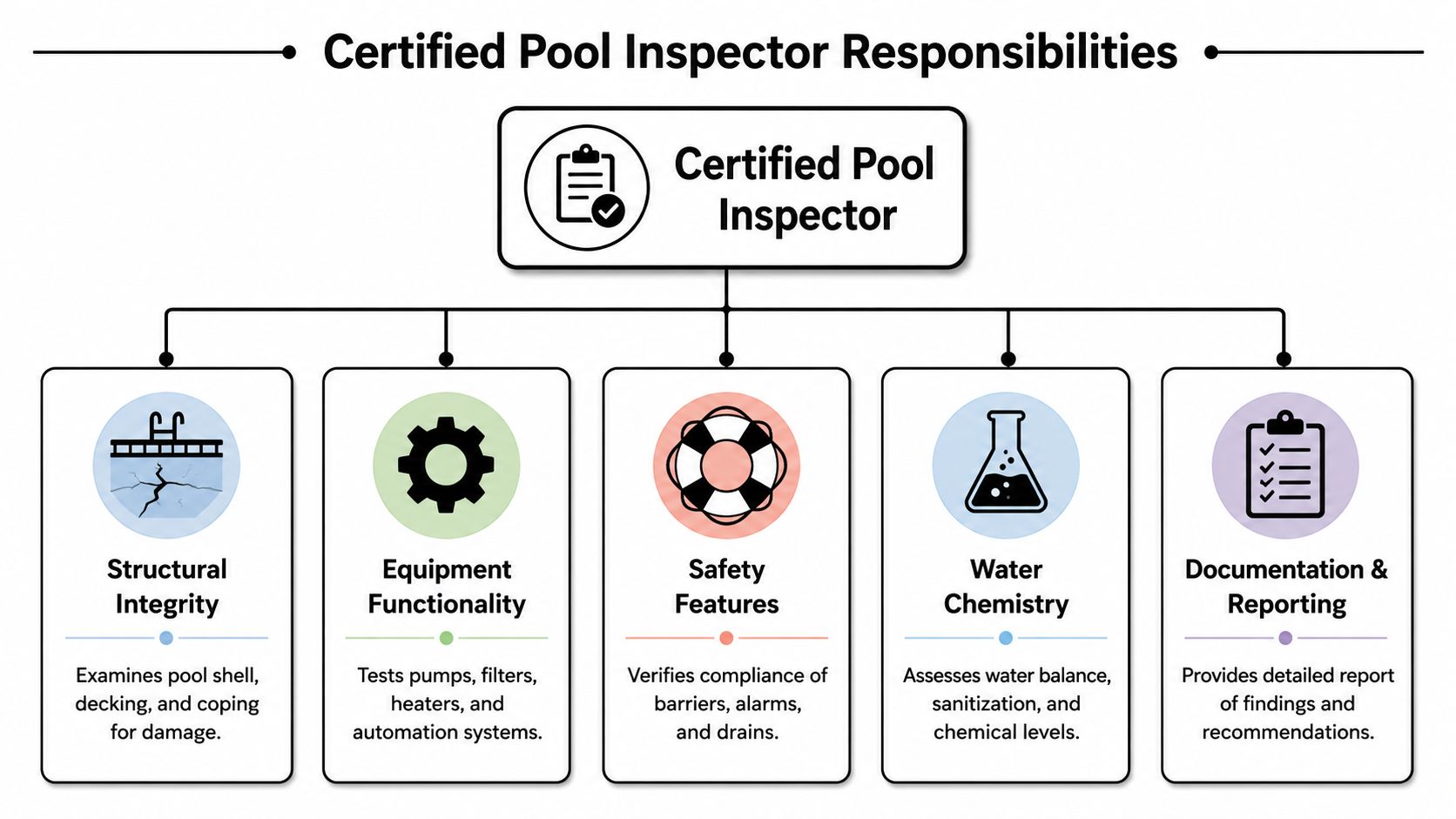
A proper certified pool inspector reviews more than visible appearance. The work usually includes:
- Structural condition: Surface, shell, coping, and deck areas for visible signs of damage or deterioration
- Equipment operation: Pump, filter, heater, controls, and related components for basic function and condition
- Safety features: Barriers, gates, alarms, drains, and other safety-related items
- Water condition: Measured values and general water management indicators
- Report quality: Clear notes that identify what was observed and why it matters
Public health guidance from the CDC also reflects how formal this process is supposed to be. Inspection work is built around one record per inspection, unique identifiers for facilities and inspections, numeric water-quality values, and recorded compliance status for each item. When a condition leads to immediate closure, the specific violation should be documented, which shows how much the model depends on standardized records rather than opinion alone (CDC aquatic inspection data guidance).
Practical rule: If the inspector can't explain how findings are documented, you're probably not getting an inspection process you can rely on in a real estate transaction.
For buyers and agents, that difference matters. It's one thing to hear that equipment “seems okay.” It's another to receive a report that identifies system-specific concerns and gives everyone a factual starting point for repairs, credits, or follow-up by a service company. If equipment concerns are part of the conversation, a pool equipment repair team may be the next call after the inspection.
The Ultimate Pool Inspection Checklist
A buyer walks a Cape Coral backyard, sees clear blue water, hears the pump start, and assumes the pool is fine. Then the inspection turns up a failing heater, a loose gate latch, aging drain covers, and deck movement at the beam line. In a Southwest Florida sale, those misses can affect safety, insurance questions, repair credits, and whether the property still feels like a good deal.
A useful pool inspection follows a clear order and stays focused on material conditions that affect ownership, safety, and negotiation. The report should tie each finding to a specific component and describe what was observed. That approach reduces guesswork and gives buyers, sellers, and agents a common set of facts to work from (InterNACHI pool and spa standards of practice).
The four areas that matter most
A certified inspection can still leave gaps if the inspector only checks whether the system turns on or if the water looks clean. In real transactions, four areas carry the most weight because they tend to hide the most expensive or urgent problems.
| Inspection Area | Key Items Checked |
|---|---|
| Pool Inspection Key Areas | Shell and finish condition, coping, decking, visible structural concerns, equipment operation, filtration components, heater and controls, water condition, barriers, gates, alarms, drain covers, and observable safety items |
Structural review
Start with the parts that are hardest to change after closing.
The shell, tile line, coping, deck, and nearby surfaces should be checked for visible cracks, separation, settlement, hollow spots, movement, and wear patterns that suggest a larger issue. In Southwest Florida, sun exposure, shifting soils, older renovations, and years of deferred maintenance can make a pool look acceptable from ten feet away while the surface around it tells a different story.
Some cracks are cosmetic. Some point to movement, bond failure, or water loss concerns. A useful inspection report should say which defects appear minor, which deserve repair pricing, and which should be reviewed by a pool repair specialist before the buyer removes contingencies.
Equipment review
Equipment causes a lot of post-closing regret because basic operation is not the same as good condition.
The pump may run and still sound rough. The filter may circulate and still show age, poor sealing, or neglected service. Heaters, salt systems, timers, automation panels, actuators, and valves often reveal the actual maintenance history of the pool. On many SW Florida listings, the hidden gap in a "certified" inspection is not that equipment was ignored. It is that the report stopped at "operational" and never addressed corrosion, outdated controls, limited access, missing bonding observations, or signs the system is near the end of its service life.
That difference matters in a real estate deal. Buyers need to know whether they are inheriting a normal service item or a stack of repairs that starts the first month they own the house.
If you want context on what counts as normal upkeep versus a condition that deserves follow-up, these pool FAQs for Florida homeowners are a useful reference.
Water quality and measured conditions
Clear water proves very little.
A proper inspection includes measured conditions when they are within scope and notes visible signs of poor sanitation, scaling, staining, algae history, or neglected chemistry control. Water can look clean on showing day and still point to weak maintenance habits, equipment problems, or a pool that has been cleaned up quickly for the sale.
For buyers, this part of the checklist is less about one snapshot reading and more about what the water and surfaces suggest about routine care.
A pool report should identify what was observed, where it was observed, and why the condition matters to the transaction.
Safety compliance details
Safety findings are often the items that change the conversation fastest.
Barrier condition, self-closing and self-latching gates, door alarms where applicable, drain cover condition, and other visible protection measures deserve close attention. In family purchases, vacation-home purchases, and investment properties, these issues are not side notes. They can affect immediate use of the pool and create liability concerns the day the buyer takes possession.
This is also where certification can give buyers false confidence. Some inspectors note that a barrier exists and move on. A stronger inspection looks at how it functions, whether obvious safety defects are present, and whether the setup raises follow-up questions before closing. That extra care is especially important in Southwest Florida, where pools are used year-round and buyers often need fast, accurate answers during short inspection periods.
For Water Medic, this is the practical standard. Find the visible defects, call out the gray areas, and make sure the client understands what a certified inspection can confirm and what may still need a specialist review.
Pool Inspection Costs and Timelines in Southwest Florida
Most buyers ask about price right away. That makes sense, but the better question is what kind of inspection record you need for the transaction.
In Southwest Florida, inspection pricing usually changes based on pool size, attached spa features, equipment complexity, automation, access, and how detailed the reporting needs to be. A straightforward residential pool is different from a pool-spa combination with added controls, safety concerns, and multiple visible condition issues. The more complex the site, the more time the inspector needs to evaluate it properly and document it clearly.
What affects the timeline
The on-site appointment can be fairly quick if access is good and the pool setup is simple. It can also take longer when the inspector needs to test operation, review multiple safety features, and sort out visible issues that may affect the sale. Report timing matters just as much as field time because buyers and agents usually need the findings fast enough to act inside inspection periods.
The practical timeline often depends on:
- Property access: Locked gates, missing equipment access, and powered-off systems slow things down
- Pool complexity: Spas, water features, automation, and larger equipment pads add inspection steps
- Transaction pressure: Real estate deadlines often require faster reporting and cleaner communication
- Scope questions: If the buyer expects diagnostic work beyond a visual inspection, that needs to be clarified before booking
What buyers should budget for
Without inventing local market numbers, the safest way to think about cost is this: a professional pool inspection is usually a small line item compared with the downside of discovering safety or equipment issues after closing. In Southwest Florida, a pool can influence insurance conversations, lender comfort, repair negotiations, and immediate move-in plans. That makes the value less about the inspection fee and more about avoiding uncertainty at the wrong point in the deal.
Ask about scope before you ask about price. A cheaper inspection that skips reporting detail or avoids hard conversations often costs more later.
For agents, the scheduling takeaway is simple. Don't leave the pool to the last possible day. Build enough room into due diligence for the inspection, the written report, and any specialist follow-up if the findings call for it.
Questions to Ask Before You Hire a Pool Inspector
Hiring the right inspector starts with one uncomfortable truth. Even a certified inspection has limits.
Many home inspection standards focus on readily accessible, visually observable components, which creates a buyer-surprise gap. Hidden conditions such as underground leaks or some equipment performance problems may not be discoverable in a routine visual inspection, and a good inspector is transparent about that limitation (American Society of Home Inspectors pool and spa guidance).
That's not a flaw in the profession. It's a reason to ask smarter questions.
The questions that reveal how the inspector works
Use the call or estimate request to find out whether the inspector is careful, vague, or overselling.
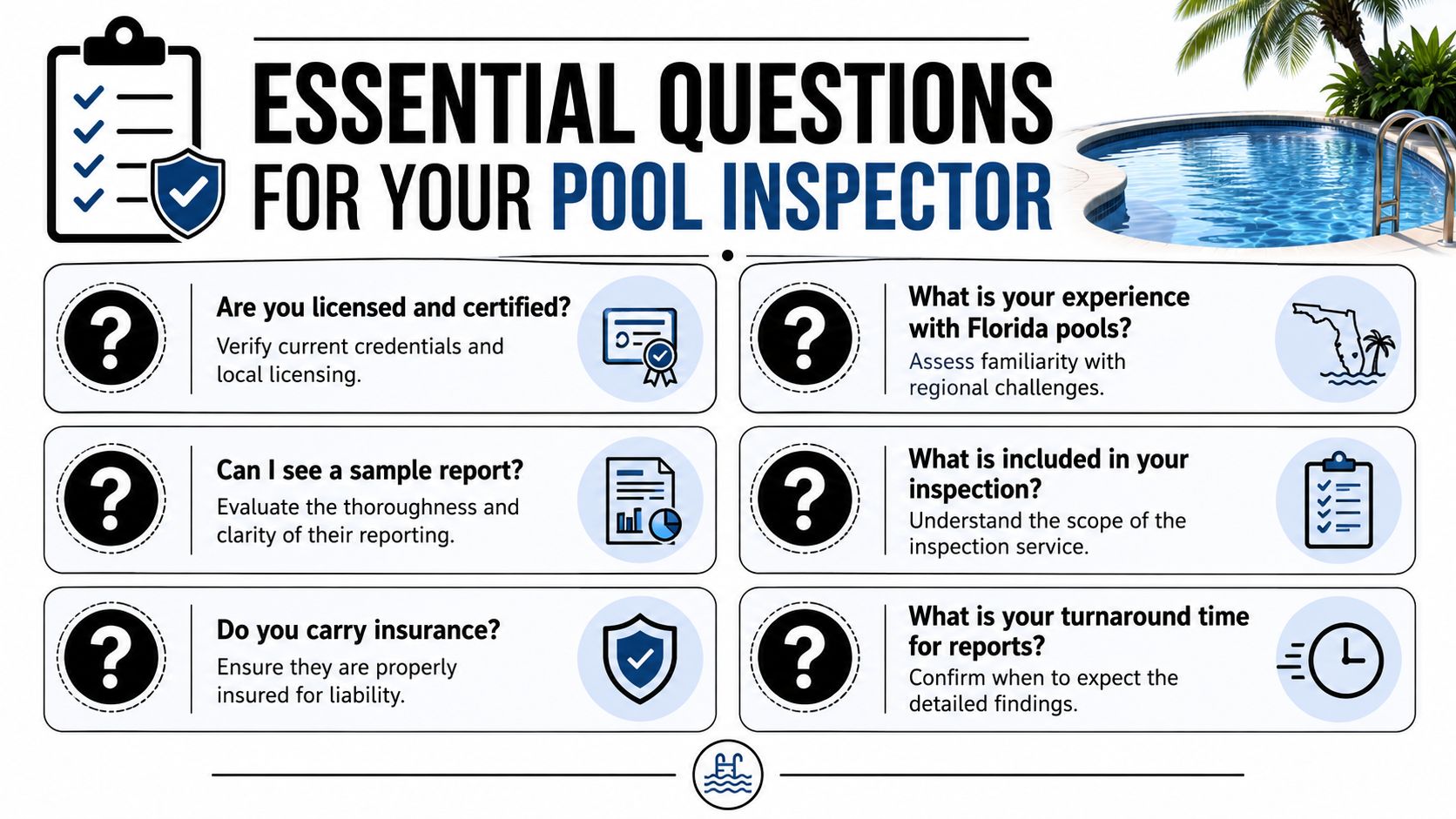
- What credentials do you hold: Ask what certification the inspector has and how that relates to inspection work, not just general pool service
- What does your inspection include: You want a clear scope, not broad promises
- What does your inspection not cover: This is one of the most important questions in the entire hiring process
- Can I see a sample report: Report quality tells you more than marketing language does
- How do you handle safety findings: A real professional should explain how material safety issues are documented
- What experience do you have with SW Florida pools: Local conditions matter, especially with exposure, outdoor equipment, and closing timelines
The answer you want on limitations
If an inspector says they can catch everything, keep looking.
A trustworthy answer sounds more like this: they inspect what is visible and accessible, identify observed material defects, explain scope limits clearly, and recommend the right next step if a condition needs a specialist. That kind of answer protects the buyer better than a sales pitch.
“Tell me what you can't see” is often the most useful question a buyer can ask.
Why transparency wins in real estate
In a transaction, overpromising is dangerous. It can create false confidence for the buyer and frustration for the agent when a post-closing issue appears that was never within inspection scope to begin with. The better inspector is the one who states limits early, documents visible concerns well, and doesn't confuse a compliance-style inspection with a full repair diagnosis.
That's also where local service knowledge matters. In Southwest Florida, the right professional should understand which findings need immediate correction, which ones deserve monitoring, and which ones should be reviewed by the appropriate service provider before the sale moves forward.
Special Considerations for Southwest Florida Pools
A pool that looks fine during a showing can become a problem fast after closing in Southwest Florida. I see it happen with storm-exposed equipment, rusting hardware near the coast, worn safety latches, and enclosures that change how the whole pool behaves.
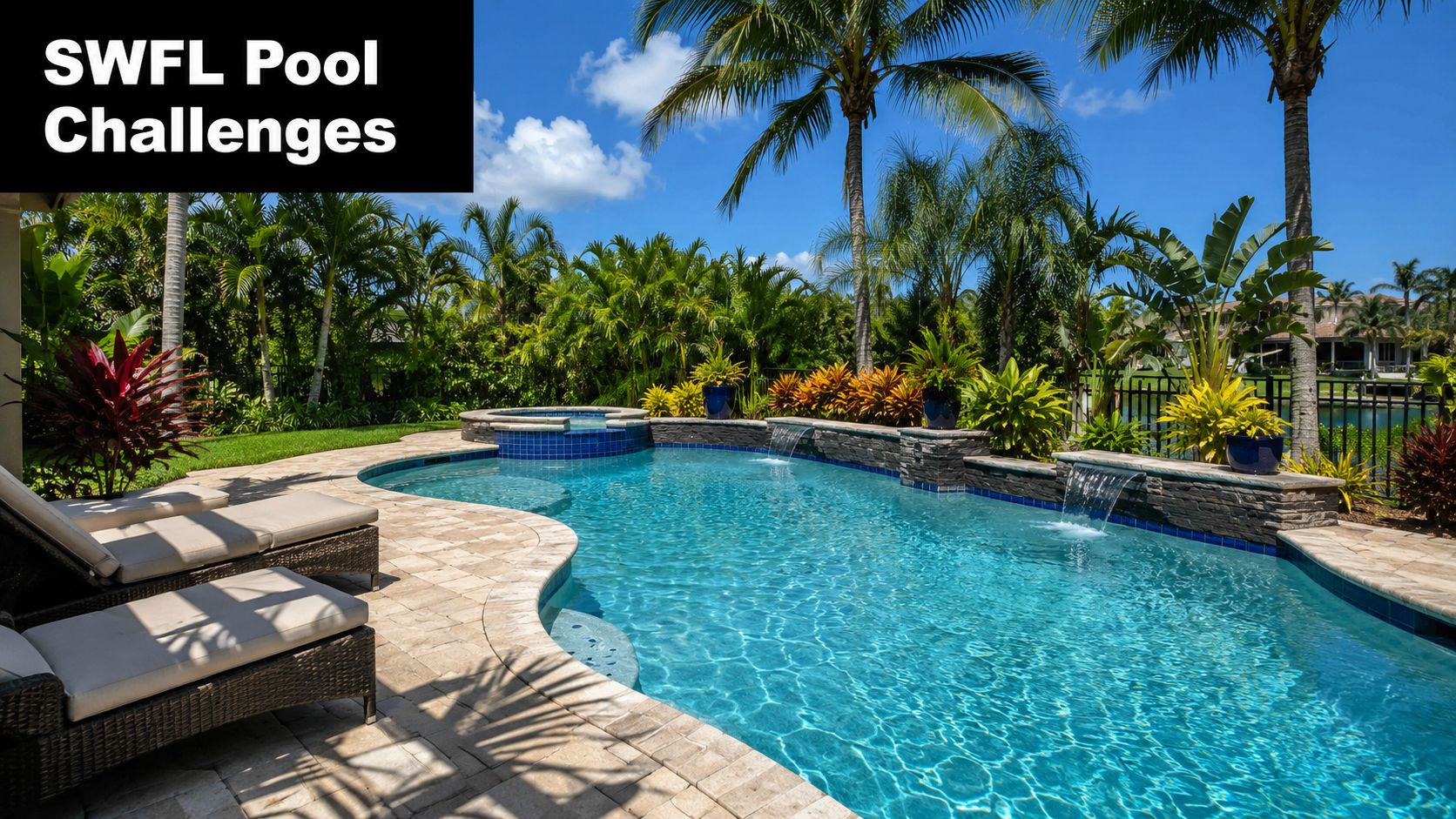
Local conditions change what matters in an inspection. Year-round sun ages plastics and exposed equipment faster. Humidity and salt air can shorten the life of metal components. Heavy rain and summer storms can affect drainage, decking movement, screen enclosures, and electrical equipment pads. A certified inspector who works this region should know the difference between ordinary wear and a condition that could affect safety, repairs, or a real estate negotiation.
What gets missed in Southwest Florida
The risk here is not only what is visible. It is what visible clues point to.
A loose or misaligned gate latch may look minor, but in a Florida transaction it can become a safety correction that delays closing. A cracked equipment pad or stained enclosure frame can point to long-term exposure issues. Corrosion around bonding points, anchors, or fasteners may signal a bigger durability problem than the surface rust suggests. Pools near the coast deserve extra attention for that reason.
Screened pools add another local layer. A damaged cage or missing panels can increase debris load, sunlight exposure, and water chemistry swings. That does not mean the pool is failing. It does mean the inspector should read the pool in context, because the enclosure often affects surface wear, filtration demand, and how the water has been maintained over time.
Water quality and whole-property planning
Southwest Florida water conditions can also leave a long trail on a property. Mineral-heavy water contributes to scale, staining, and wear on fixtures and water-using equipment. A pool inspection can document current visible condition, but it does not change the water coming into the house.
For some homeowners, a whole house reverse osmosis system is part of the long-term ownership plan. That is a house-wide water treatment decision, not a substitute for inspecting the pool. It matters because buyers in this market are often evaluating the pool, the equipment, and the home's broader water quality issues at the same time.
A practical Southwest Florida review should account for:
- Barrier and gate condition: Safety hardware needs to work properly, not just appear present
- Coastal and weather exposure: Salt air, sun, and storm conditions can accelerate wear on outdoor components
- Screen enclosure impact: Cage condition affects debris load, water balance, and visible aging patterns
- Signs of corrosion and drainage issues: These can point to larger repair needs around the equipment area and deck
- Whole-property water concerns: Hard or mineral-heavy water can affect ownership costs beyond the pool itself
This is one of the gaps buyers and agents need to keep in mind. A certified inspection has value, but the best local inspector also understands what the standard checklist may not fully explain in a Southwest Florida transaction. That is where experience on real pools in Cape Coral and nearby markets makes a difference.
Protect Your Investment with Water Medic of Cape Coral
A pool inspection is most valuable when it answers the right question. Not “Does the pool look nice?” but “What do I need to know before I take ownership of this?”
In practice, buyers and agents usually need two different things. First, they need a one-time inspection and compliance-minded review that identifies observed material issues. Second, once the property changes hands, they may need ongoing service that keeps the pool operating safely and consistently. Those are related needs, but they aren't the same job. The Certified Pool Inspector credential is intended for inspection and compliance review, while a Certified Pool Operator focuses on ongoing facility operation, which is why it's important to know whether you need an assessment, continuing service, or both (Aquatic Council on CPI and CPO roles).
That distinction helps buyers avoid a common mistake. They hire one person expecting a complete answer to every question, when what they need is clear inspection reporting now and dependable maintenance later.
Water Medic of Cape Coral provides pool service and water treatment support in Southwest Florida, including weekly pool maintenance services and a contact page for service requests. For homeowners who want one company involved in both water quality planning and pool care after the transaction, that kind of combined service model can be practical.
The smart move is simple. Use the inspection to reduce uncertainty before closing. Then build a maintenance and water-quality plan that fits how you'll live in the home.
If you're buying, selling, or caring for a pool home in Southwest Florida, Water Medic of Cape Coral is one place to start for pool service and whole-home water treatment support.